The Role of CRISPR in Gene Editing and its Future Potential
The Role of CRISPR in Gene Editing and its Future Potential
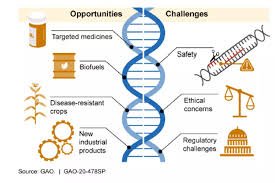
In recent years, CRISPR-Cas9 has emerged as one of the most revolutionary tools in biotechnology, offering unprecedented precision in gene editing. This innovative technology has the potential to transform many fields, from medicine to agriculture, by enabling scientists to make highly targeted changes to DNA. CRISPR, which stands for Clustered Regularly Interspaced Short Palindromic Repeats, is a natural defense mechanism in bacteria that has been adapted to edit genes with remarkable accuracy. The introduction of CRISPR has ignited both excitement and ethical debate, as its applications could lead to groundbreaking advancements and raise questions about the future of genetic modification.
CRISPR works by using a guide RNA to direct the Cas9 protein to a specific location in the DNA sequence. Once there, the Cas9 protein acts as molecular scissors, cutting the DNA strand at the desired location. This break in the DNA allows for the insertion, deletion, or replacement of genetic material. The precision of CRISPR has made it much easier to edit genes than previous methods, such as Zinc Finger Nucleases (ZFNs) and TALENs (Transcription Activator-Like Effector Nucleases). These older technologies were more complex, less efficient, and often had off-target effects, while CRISPR has proven to be faster, more cost-effective, and more reliable.
One of the most promising areas where CRISPR is being applied is in the field of medicine. Gene editing with CRISPR holds the potential to treat and even cure genetic disorders that were once considered incurable. Diseases like sickle cell anemia, cystic fibrosis, and muscular dystrophy are caused by mutations in single genes, and CRISPR offers a way to correct these mutations at their source. In fact, clinical trials using CRISPR to treat sickle cell disease have shown promising results, with patients experiencing significant improvements in their health after receiving gene therapy. Additionally, CRISPR is being explored as a potential treatment for cancer, where it could be used to edit immune cells to better target and destroy cancer cells.
CRISPR’s potential goes beyond therapeutic applications, reaching into the realm of genetic enhancement and designer babies. While current research in human germline editing (modifying genes in sperm, eggs, or embryos) is in its infancy, it raises significant ethical questions about the potential to alter human genetics in ways that could be passed on to future generations. The ability to edit genes could, in theory, eliminate hereditary diseases, improve physical traits, or enhance intelligence, but such possibilities also spark debates about the moral implications of “designing” children and the potential for genetic inequality.
In agriculture, CRISPR is already being used to develop genetically modified crops that are more resilient, nutritious, and efficient. For example, scientists have used CRISPR to create crops that are resistant to diseases, pests, and environmental stressors, reducing the need for chemical pesticides and increasing food security. Additionally, CRISPR has been used to enhance the nutritional content of crops, such as increasing the levels of vitamins in rice (known as "Golden Rice") or developing crops with improved resistance to drought. This could be a game-changer in addressing global food shortages and feeding an ever-growing population.